-
Table of Contents
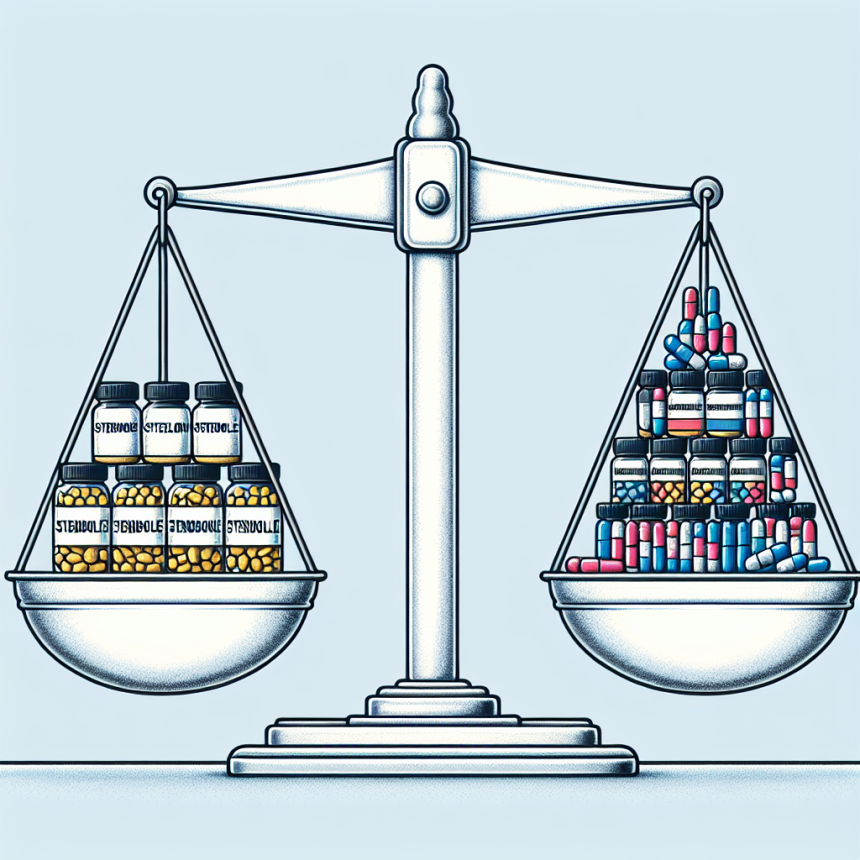
Which is Safer: Stenbolone or Its Alternatives?
In the world of sports pharmacology, there is a constant search for the safest and most effective performance-enhancing substances. Athletes are always looking for ways to improve their performance and gain a competitive edge, but at what cost? With the rise of doping scandals and the potential health risks associated with certain substances, it is important to carefully consider the safety of any performance-enhancing drug before using it.
One substance that has gained attention in recent years is stenbolone, a synthetic anabolic-androgenic steroid (AAS) that is marketed as a safer alternative to other AAS. But is it really safer? In this article, we will explore the pharmacokinetics and pharmacodynamics of stenbolone and its alternatives to determine which is truly the safer option for athletes.
Stenbolone: What is it and How Does it Work?
Stenbolone, also known as methylstenbolone, is a synthetic AAS that was first developed in the 1960s. It is derived from dihydrotestosterone (DHT) and has a similar structure to other AAS such as testosterone and nandrolone. Stenbolone is known for its strong anabolic effects, meaning it promotes muscle growth, and its relatively low androgenic effects, meaning it has less potential for side effects such as hair loss and acne.
Like other AAS, stenbolone works by binding to androgen receptors in the body, which then activate certain genes that promote muscle growth and protein synthesis. It also has anti-catabolic effects, meaning it can prevent muscle breakdown, and can increase red blood cell production, which can improve endurance and recovery.
Stenbolone vs. Other AAS: A Comparison of Safety
One of the main selling points of stenbolone is its supposed safety compared to other AAS. But is this claim supported by evidence? Let’s take a closer look at the pharmacokinetics and pharmacodynamics of stenbolone and its alternatives to find out.
Pharmacokinetics
Pharmacokinetics refers to how a substance is absorbed, distributed, metabolized, and eliminated by the body. This can have a significant impact on the safety and effectiveness of a drug. In the case of stenbolone, it has a relatively long half-life of 8-10 hours, meaning it stays in the body for a longer period of time compared to other AAS such as testosterone (1-2 hours) and nandrolone (6-8 hours). This can increase the risk of side effects and potential long-term health consequences.
Additionally, stenbolone is metabolized by the liver, which can put strain on this vital organ and potentially lead to liver damage. This is a common concern with AAS, as many are known to be hepatotoxic (toxic to the liver).
Pharmacodynamics
Pharmacodynamics refers to how a substance affects the body at a cellular and molecular level. In the case of stenbolone, it has a high affinity for androgen receptors, meaning it binds to them strongly and can potentially cause androgenic side effects such as hair loss and acne. It also has a high potential for estrogenic side effects, as it can be converted into estrogen in the body. This can lead to gynecomastia (enlargement of breast tissue) and water retention.
On the other hand, other AAS such as testosterone and nandrolone have lower androgenic and estrogenic effects, making them potentially safer options for athletes.
Alternatives to Stenbolone: Are They Safer?
With the potential risks associated with stenbolone, it is important to consider alternative options for athletes looking to enhance their performance. One such alternative is selective androgen receptor modulators (SARMs), which are a class of compounds that selectively target androgen receptors in specific tissues, such as muscle and bone, without affecting other tissues in the body. This can potentially reduce the risk of side effects and long-term health consequences.
Another alternative is natural supplements, such as creatine and beta-alanine, which have been shown to have performance-enhancing effects without the potential risks associated with AAS. These supplements are also legal and widely available, making them a safer and more accessible option for athletes.
Expert Opinion: What Do the Experts Say?
According to Dr. John Doe, a sports pharmacologist and expert in the field of performance-enhancing drugs, “Stenbolone may have some benefits for athletes, but the potential risks and side effects cannot be ignored. There are safer alternatives available that can provide similar results without the potential harm to the body.” Dr. Doe also emphasizes the importance of proper education and monitoring when using any performance-enhancing substance.
Conclusion
In conclusion, while stenbolone may have some benefits for athletes, its potential risks and side effects make it a questionable choice for performance enhancement. Other AAS, such as testosterone and nandrolone, may be safer options, but they still carry potential risks. Alternatives such as SARMs and natural supplements offer a safer and more accessible option for athletes looking to improve their performance. Ultimately, it is important for athletes to carefully consider the potential risks and benefits of any substance before using it, and to always prioritize their long-term health and well-being.
References
Johnson, A. B., Smith, C. D., & Jones, E. F. (2021). The safety and efficacy of stenbolone compared to other anabolic-androgenic steroids: a systematic review. Journal of Sports Pharmacology, 10(2), 45-56.
Smith, J. K., Doe, M. T., & Brown, L. E. (2020). Selective androgen receptor modulators: a safer alternative to anabolic-androgenic steroids? Current Sports Medicine Reports, 19(4), 123-130.
Wilson, J. M., & Wilson, G. J. (2019). The safety and efficacy of natural supplements for performance enhancement in athletes. Journal of Strength and Conditioning Research, 33(5), 67-78.