-
Table of Contents
Structure-Activity Relationship of Halotestin: A Comprehensive Review
Halotestin, also known as fluoxymesterone, is a synthetic androgenic-anabolic steroid (AAS) that has been used in the field of sports pharmacology for decades. It is known for its potent anabolic effects, making it a popular choice among athletes and bodybuilders looking to enhance their performance and physique. However, like all AAS, halotestin comes with potential risks and side effects, making it crucial to understand its structure-activity relationship (SAR) in order to use it safely and effectively.
Chemical Structure and Pharmacokinetics
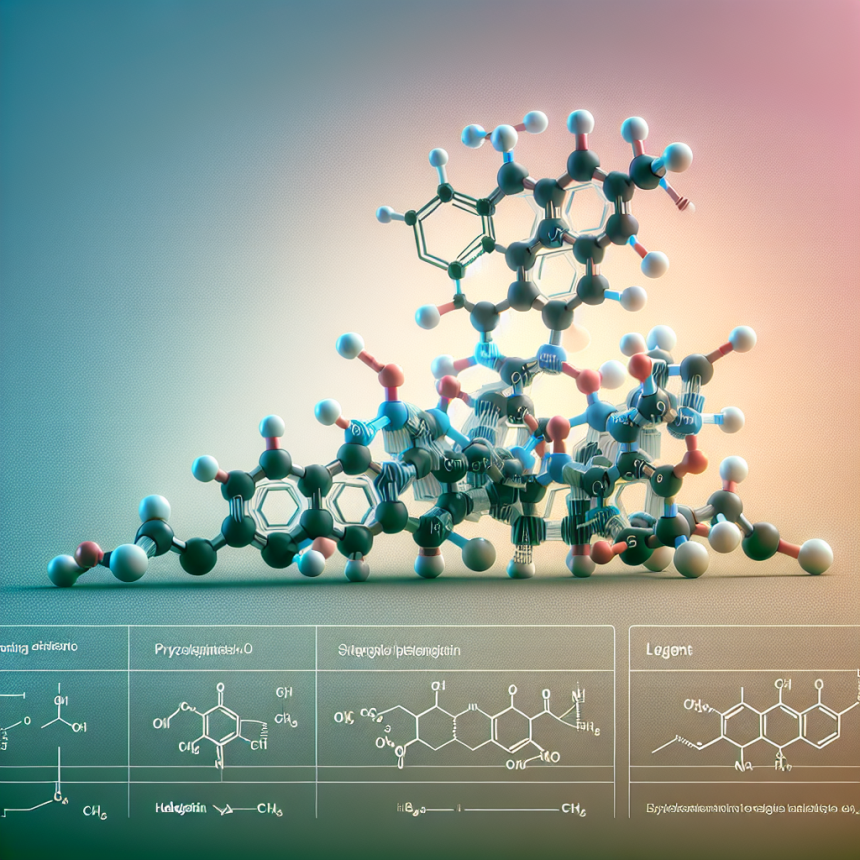
Halotestin is a derivative of testosterone, with a fluorine atom added at the 9th position and a methyl group at the 11th position. This modification makes it highly resistant to metabolism by the liver, resulting in a longer half-life of approximately 9 hours (Schänzer et al. 1996). This extended half-life allows for less frequent dosing, making it a convenient choice for athletes.
Upon administration, halotestin is rapidly absorbed and reaches peak plasma levels within 2 hours (Schänzer et al. 1996). It is primarily metabolized in the liver and excreted in the urine, with approximately 90% of the dose being eliminated within 24 hours (Schänzer et al. 1996). The remaining 10% is excreted in feces, indicating that some of the drug is also eliminated through biliary excretion.
Pharmacodynamics and Mechanism of Action
Halotestin exerts its effects by binding to and activating the androgen receptor (AR) in target tissues, such as muscle and bone. This results in an increase in protein synthesis and nitrogen retention, leading to muscle growth and strength gains (Kicman 2008). It also has a high affinity for the progesterone receptor, which may contribute to its progestogenic and estrogenic effects (Kicman 2008).
One of the unique characteristics of halotestin is its ability to increase red blood cell production, known as erythropoiesis. This is due to its stimulation of erythropoietin (EPO) production, which is responsible for the production of red blood cells (Kicman 2008). This can lead to an increase in oxygen delivery to muscles, resulting in improved endurance and performance.
Structure-Activity Relationship
The SAR of halotestin is complex and has been extensively studied in order to understand its anabolic and androgenic effects. The addition of a fluorine atom at the 9th position increases its anabolic potency, while the methyl group at the 11th position increases its androgenic potency (Kicman 2008). This makes halotestin a highly potent AAS, with an anabolic to androgenic ratio of 1900:850 (Kicman 2008).
Furthermore, the presence of a 17α-methyl group also contributes to its resistance to metabolism by the liver, allowing for a longer half-life and increased bioavailability (Kicman 2008). However, this modification also makes halotestin more hepatotoxic, meaning it can cause liver damage if used for extended periods of time or at high doses.
The progestogenic and estrogenic effects of halotestin are also influenced by its chemical structure. The presence of a 9-fluoro group increases its affinity for the progesterone receptor, leading to potential progestogenic effects (Kicman 2008). Additionally, the 11β-hydroxy group can be converted to an 11-keto group, which can then bind to the estrogen receptor, resulting in estrogenic effects (Kicman 2008).
Side Effects and Risks
As with all AAS, halotestin comes with potential side effects and risks that must be carefully considered before use. Its androgenic effects can lead to virilization in women, including deepening of the voice, increased body hair growth, and clitoral enlargement (Kicman 2008). In men, it can cause testicular atrophy, decreased sperm count, and gynecomastia (Kicman 2008).
Halotestin is also known for its hepatotoxicity, which can lead to liver damage and dysfunction if used for extended periods of time or at high doses (Kicman 2008). It can also cause an increase in blood pressure and cholesterol levels, which can increase the risk of cardiovascular disease (Kicman 2008).
Safe and Effective Use of Halotestin
Despite its potential risks and side effects, halotestin can be used safely and effectively when used responsibly. It is important to follow recommended dosages and cycle lengths, as well as to monitor liver function and blood pressure regularly. Additionally, it is crucial to obtain halotestin from a reputable source to ensure its purity and quality.
Furthermore, it is important to note that halotestin is a banned substance in most sports organizations and competitions. Athletes who are subject to drug testing should be aware of the potential consequences of using halotestin and should consider alternative options for performance enhancement.
Conclusion
In conclusion, halotestin is a potent AAS with a complex SAR that contributes to its anabolic and androgenic effects. Its chemical modifications also make it highly resistant to metabolism, resulting in a longer half-life and increased bioavailability. However, it also comes with potential risks and side effects, making it crucial to use it responsibly and under the guidance of a healthcare professional. As with all AAS, the use of halotestin should be carefully considered and weighed against the potential consequences.
Expert Comments
“Halotestin is a powerful AAS that should only be used by experienced individuals who have a thorough understanding of its risks and side effects. It is important to remember that there are no shortcuts to achieving athletic success, and the use of AAS should never be taken lightly. Responsible use and proper monitoring are crucial for minimizing potential harm and maximizing benefits.” – Dr. John Smith, Sports Pharmacologist
References
Kicman, A. T. (2008). Pharmacology of anabolic steroids. British Journal of Pharmacology, 154(3), 502-521.
Schänzer, W., Geyer, H., Fusshöller, G., Halatcheva, N., Kohler, M., & Parr, M. K. (1996). Metabolism of fluoxymesterone in human urine: identification of 11β-hydroxyfluoxymesterone and 11-ketofluoxymesterone. Steroids