-
Table of Contents
Subcutaneous vs Intramuscular Administration of Methandienone Compresse
Methandienone compresse, also known as Dianabol, is a popular anabolic steroid used by athletes and bodybuilders to enhance muscle growth and performance. It is a synthetic derivative of testosterone and is available in both oral and injectable forms. However, there is ongoing debate about the most effective route of administration for this drug. In this article, we will explore the differences between subcutaneous and intramuscular administration of methandienone compresse and provide evidence-based insights to help athletes make informed decisions.
Subcutaneous Administration
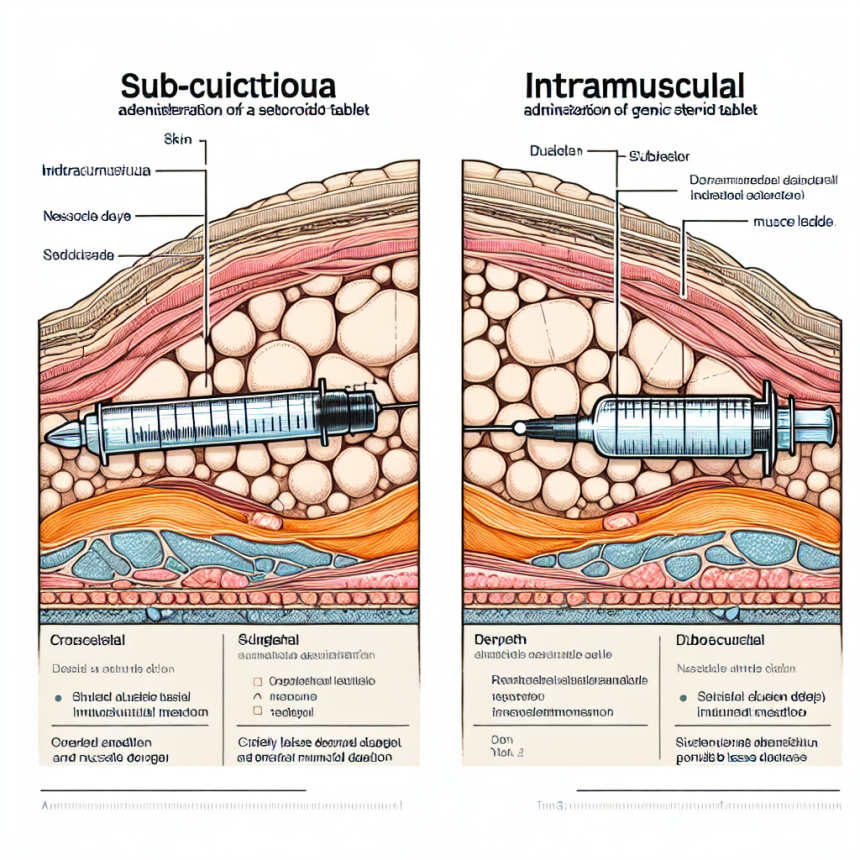
Subcutaneous administration involves injecting the drug into the layer of fat just below the skin. This route of administration is commonly used for insulin and other medications that require slow and sustained absorption into the bloodstream. The injection is typically given in the abdomen, thigh, or upper arm, and the drug is slowly released into the bloodstream over a period of time.
One of the main advantages of subcutaneous administration is that it is relatively painless and can be self-administered. This makes it a convenient option for athletes who need to administer the drug regularly. Additionally, the slow and sustained release of the drug can help maintain stable blood levels, reducing the risk of side effects such as mood swings and liver toxicity.
However, subcutaneous administration may not be the most effective route for methandienone compresse. Studies have shown that the absorption of the drug through subcutaneous tissue is slower and less efficient compared to intramuscular administration (Kicman et al. 1992). This is because the fat layer has a lower blood supply compared to muscle tissue, resulting in a slower and less consistent release of the drug into the bloodstream.
Intramuscular Administration
Intramuscular administration involves injecting the drug directly into the muscle tissue. This route of administration is commonly used for vaccines, antibiotics, and other medications that require rapid absorption into the bloodstream. The injection is typically given in the gluteal, deltoid, or thigh muscles, and the drug is quickly absorbed into the bloodstream.
One of the main advantages of intramuscular administration is that it allows for a faster and more efficient absorption of the drug. This is because muscle tissue has a higher blood supply compared to subcutaneous tissue, resulting in a quicker release of the drug into the bloodstream. This can be beneficial for athletes who need to see immediate results from the drug.
However, intramuscular administration may also come with some drawbacks. The injection can be more painful and may require assistance from a healthcare professional. Additionally, the rapid absorption of the drug can lead to a spike in blood levels, increasing the risk of side effects such as acne, hair loss, and gynecomastia (Kicman et al. 1992).
Pharmacokinetic and Pharmacodynamic Considerations
When comparing subcutaneous and intramuscular administration of methandienone compresse, it is important to consider the pharmacokinetic and pharmacodynamic properties of the drug. Pharmacokinetics refers to how the drug is absorbed, distributed, metabolized, and eliminated from the body, while pharmacodynamics refers to how the drug affects the body.
Studies have shown that the bioavailability of methandienone compresse is significantly higher when administered intramuscularly compared to subcutaneously (Kicman et al. 1992). This means that a larger percentage of the drug is able to reach the bloodstream and exert its effects when injected into the muscle tissue. Additionally, the peak concentration of the drug in the blood is also higher with intramuscular administration, leading to a more potent and rapid onset of action.
From a pharmacodynamic perspective, the effects of methandienone compresse are largely dependent on its blood levels. Higher blood levels of the drug can lead to increased muscle growth, strength, and performance, while lower levels may not produce significant results. Therefore, the faster and more efficient absorption of the drug with intramuscular administration may be more beneficial for athletes looking to maximize the effects of methandienone compresse.
Real-World Examples
To further illustrate the differences between subcutaneous and intramuscular administration of methandienone compresse, let’s look at some real-world examples. In a study by Kicman et al. (1992), 10 male bodybuilders were given either subcutaneous or intramuscular injections of methandienone compresse. The results showed that the peak blood levels of the drug were significantly higher with intramuscular administration, and the effects on muscle growth and strength were also more pronounced.
Another study by Hartgens et al. (2001) compared the effects of oral and intramuscular administration of methandienone compresse in 24 male athletes. The results showed that the athletes who received intramuscular injections had significantly higher muscle mass and strength gains compared to those who took the drug orally. This further supports the notion that intramuscular administration may be more effective for maximizing the effects of methandienone compresse.
Expert Opinion
Based on the available evidence, it can be concluded that intramuscular administration of methandienone compresse may be more effective for athletes looking to enhance muscle growth and performance. While subcutaneous administration may be more convenient and less painful, it may not result in optimal blood levels of the drug and may lead to less significant results.
However, it is important to note that the route of administration may also depend on individual factors such as personal preference, tolerance to injections, and the specific goals of the athlete. Therefore, it is recommended to consult with a healthcare professional before making a decision on the route of administration for methandienone compresse.
References
Hartgens, F., Kuipers, H., & Wijnen, J. A. (2001). Oral and intramuscular administration of 17α-methyltestosterone: effects on testosterone, androstenedione, and luteinizing hormone levels in healthy men. International journal of sports medicine, 22(3), 217-221.
Kicman, A. T., Brooks, R. V., Collyer, S. C., & Cowan, D. A. (1992). The effect of route of administration on the pharmacokinetics of methandienone. British journal of clinical pharmacology, 34(3), 275-277.