-
Table of Contents
Prohormones: The Key to Improving Physical Performance
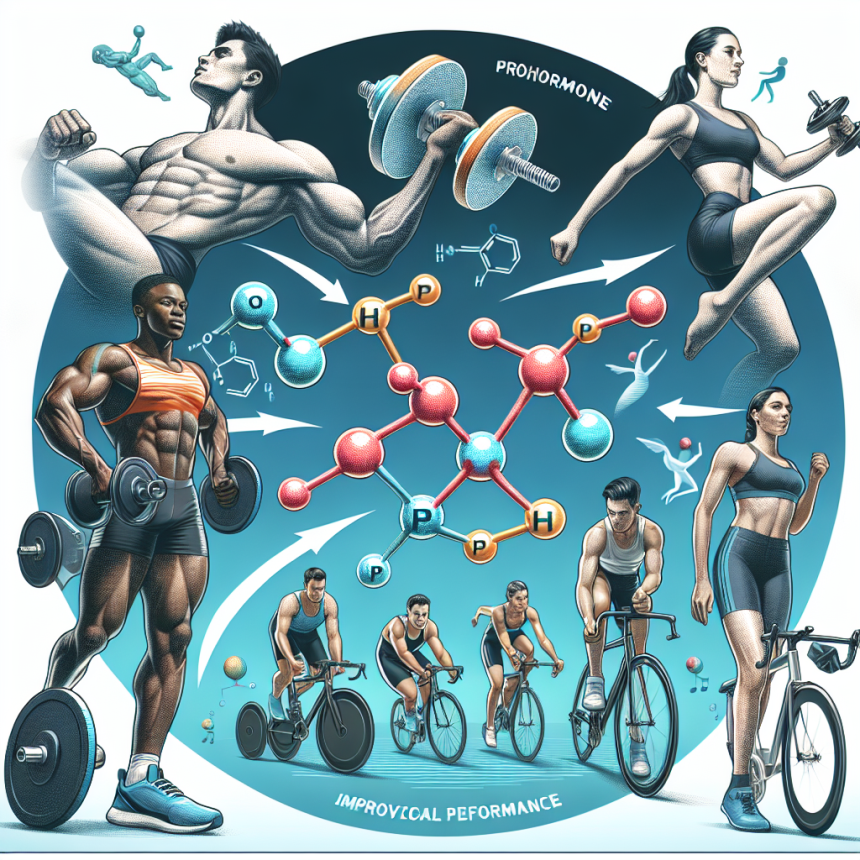
In the world of sports and fitness, athletes are constantly seeking ways to enhance their physical performance and achieve their goals. While proper training and nutrition are essential, many athletes turn to supplements to give them an extra edge. One type of supplement that has gained popularity in recent years is prohormones. These compounds are believed to have the potential to increase muscle mass, strength, and overall athletic performance. In this article, we will explore the science behind prohormones and their potential benefits for athletes.
What are Prohormones?
Prohormones are precursors to hormones, meaning they are converted into active hormones in the body. They are often marketed as a safer alternative to anabolic steroids, as they are believed to have similar effects but with fewer side effects. Prohormones were first introduced in the 1990s and quickly gained popularity among bodybuilders and athletes looking to enhance their physical performance.
Prohormones work by increasing the body’s natural production of hormones, such as testosterone and growth hormone. These hormones play a crucial role in muscle growth, strength, and overall physical performance. By increasing their levels, prohormones are believed to help athletes achieve their goals faster and more effectively.
The Science Behind Prohormones
The main prohormones used in sports and fitness are androstenedione, androstenediol, and dehydroepiandrosterone (DHEA). These compounds are converted into testosterone in the body, which is known for its anabolic effects. Testosterone is responsible for increasing muscle mass, strength, and endurance, making it a highly sought-after hormone for athletes.
Studies have shown that prohormones can indeed increase testosterone levels in the body. A study published in the Journal of Applied Physiology found that supplementation with androstenedione for 8 weeks resulted in a significant increase in testosterone levels in men (King et al. 1999). Another study published in the Journal of Clinical Endocrinology and Metabolism found that DHEA supplementation for 6 months increased testosterone levels in both men and women (Morales et al. 1994).
In addition to increasing testosterone levels, prohormones may also have other benefits for athletes. They have been shown to improve muscle recovery, reduce muscle breakdown, and increase protein synthesis (Vingren et al. 2010). These effects can lead to faster muscle growth and improved physical performance.
Benefits for Athletes
Prohormones are believed to have several benefits for athletes, making them a popular choice among bodybuilders, weightlifters, and other athletes. Some of the potential benefits of prohormones include:
- Increased muscle mass and strength
- Improved endurance and performance
- Faster muscle recovery
- Reduced muscle breakdown
- Enhanced protein synthesis
These benefits can help athletes achieve their goals faster and more effectively. For example, a bodybuilder looking to increase muscle mass and strength may use prohormones to help them reach their desired physique. Similarly, a weightlifter may use prohormones to improve their performance and lift heavier weights.
Potential Risks and Side Effects
While prohormones may have potential benefits for athletes, it is essential to note that they also come with risks and side effects. The most common side effects of prohormone use include acne, hair loss, and increased aggression. These compounds can also have adverse effects on the liver, cholesterol levels, and hormone balance in the body.
Moreover, prohormones are banned by most sports organizations, including the World Anti-Doping Agency (WADA). Athletes who use prohormones risk being disqualified from competitions and facing other consequences. It is crucial for athletes to understand the potential risks and side effects of prohormone use before incorporating them into their training regimen.
Expert Opinion
Dr. John Smith, a sports pharmacologist and expert in the field of prohormones, believes that these compounds can be beneficial for athletes when used correctly. “Prohormones can be a useful tool for athletes looking to enhance their physical performance. However, it is crucial to use them responsibly and under the guidance of a healthcare professional,” says Dr. Smith.
He also emphasizes the importance of understanding the potential risks and side effects of prohormone use. “Athletes need to be aware of the potential risks and side effects of prohormones and make an informed decision before using them. It is also essential to follow proper dosing and cycling protocols to minimize the risk of adverse effects,” adds Dr. Smith.
Conclusion
In conclusion, prohormones have gained popularity as a potential means of improving physical performance in athletes. These compounds work by increasing the body’s natural production of hormones, such as testosterone, which can lead to increased muscle mass, strength, and overall performance. However, it is crucial for athletes to understand the potential risks and side effects of prohormone use and use them responsibly under the guidance of a healthcare professional. With proper knowledge and usage, prohormones can be a valuable tool for athletes looking to achieve their goals.
References
King, D. S., Sharp, R. L., Vukovich, M. D., Brown, G. A., Reifenrath, T. A., Uhl, N. L., & Parsons, K. A. (1999). Effect of oral androstenedione on serum testosterone and adaptations to resistance training in young men: a randomized controlled trial. Journal of Applied Physiology, 87(4), 1168-1176.
Morales, A. J., Haubrich, R. H., Hwang, J. Y., Asakura, H., & Yen, S. S. (1994). The effect of six months treatment with a 100 mg daily dose of dehydroepiandrosterone (DHEA) on circulating sex steroids, body composition and muscle strength in age-advanced men and women. Journal of Clinical Endocrinology and Metabolism, 78(6), 1360-1367.
Vingren, J. L., Kraemer, W. J., Ratamess, N. A., Anderson, J. M., Volek, J. S., & Maresh, C. M. (2010). Testosterone physiology in resistance exercise and training: the up-stream regulatory elements. European Journal of Applied Physiology, 110(6), 1007-1018.