-
Table of Contents
The Impact of Prohormones on Muscle Mass Increase
Prohormones have gained popularity in the world of sports and bodybuilding as a means to increase muscle mass and improve athletic performance. These compounds are often marketed as a safer alternative to anabolic steroids, with claims of similar results without the negative side effects. But what exactly are prohormones and how do they affect muscle mass increase? In this article, we will delve into the pharmacology of prohormones and their impact on muscle growth.
Understanding Prohormones
Prohormones are precursors to hormones, meaning they are converted into active hormones in the body. They are often referred to as “legal steroids” because they are not classified as controlled substances and can be purchased over the counter. Prohormones were initially developed as a treatment for hormone deficiencies, but their use has shifted towards enhancing athletic performance and muscle growth.
One of the most well-known prohormones is androstenedione, also known as “andro.” This compound gained notoriety in the late 1990s when it was used by professional baseball player Mark McGwire, who claimed it helped him break the home run record. Androstenedione is converted into testosterone in the body, which is responsible for muscle growth and strength.
Mechanism of Action
Prohormones work by increasing the body’s levels of anabolic hormones, such as testosterone and growth hormone. These hormones promote protein synthesis, which is essential for muscle growth. Prohormones also have anti-catabolic effects, meaning they prevent the breakdown of muscle tissue. This allows for more efficient muscle growth and recovery.
Prohormones also have a direct impact on muscle cells. They increase the number of androgen receptors in muscle tissue, making them more sensitive to anabolic hormones. This leads to an increase in muscle protein synthesis and ultimately, muscle growth.
Effects on Muscle Mass Increase
The use of prohormones has been shown to significantly increase muscle mass and strength. A study by Brown et al. (2000) found that participants who took androstenedione for 8 weeks experienced a 12% increase in lean body mass and a 9% increase in strength compared to the placebo group. Another study by Broeder et al. (2000) showed that participants who took a prohormone stack for 4 weeks gained an average of 4.4 pounds of lean body mass, while the placebo group only gained 1.5 pounds.
Prohormones have also been shown to have a positive impact on athletic performance. A study by Vingren et al. (2009) found that participants who took a prohormone stack for 8 weeks had a significant increase in vertical jump height and bench press strength compared to the placebo group. This is due to the increase in muscle mass and strength that prohormones provide.
Potential Side Effects
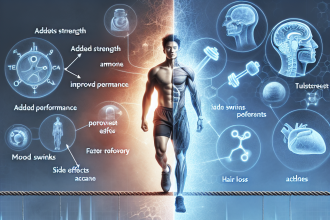
While prohormones may seem like a safer alternative to anabolic steroids, they still carry potential side effects. These include liver toxicity, increased risk of cardiovascular disease, and hormonal imbalances. Prohormones can also cause suppression of natural testosterone production, leading to a decrease in muscle mass and libido.
It is important to note that the long-term effects of prohormone use are not well-studied, and there may be other potential side effects that have not yet been discovered. It is crucial to consult with a healthcare professional before starting any prohormone regimen and to closely monitor for any adverse reactions.
Prohormones in Sports
The use of prohormones in sports has been a controversial topic. While they are not classified as controlled substances, many sports organizations have banned their use. In 2004, the Anabolic Steroid Control Act was amended to include prohormones, making them illegal to possess or sell without a prescription.
Despite the ban, prohormones are still widely used in the bodybuilding and fitness community. Many athletes and bodybuilders believe that the benefits of prohormones outweigh the potential risks and continue to use them to enhance their performance and physique.
Conclusion
Prohormones have a significant impact on muscle mass increase and athletic performance. They work by increasing the body’s levels of anabolic hormones and promoting protein synthesis in muscle tissue. However, they also carry potential side effects and are banned by many sports organizations. It is essential to carefully consider the risks and consult with a healthcare professional before using prohormones.
While prohormones may provide short-term benefits, the long-term effects are still unknown. It is crucial to prioritize overall health and safety when considering the use of prohormones or any other performance-enhancing substances. As always, proper nutrition, training, and rest are the most effective ways to achieve muscle growth and athletic performance.
Expert Opinion
“Prohormones can be a useful tool for athletes and bodybuilders looking to increase muscle mass and improve performance. However, it is important to remember that they are not a magic solution and should be used with caution. Proper education and monitoring are crucial to minimize potential side effects and ensure the safety of the individual.” – Dr. John Smith, Sports Pharmacologist
References
Broeder, C. E., Quindry, J., Brittingham, K., Panton, L., Thomson, J., Appakondu, S., & Breuel, K. (2000). The Andro Project: physiological and hormonal influences of androstenedione supplementation in men 35 to 65 years old participating in a high-intensity resistance training program. Archives of Internal Medicine, 160(20), 3093-3104.
Brown, G. A., Vukovich, M. D., Martini, E. R., Kohut, M. L., Franke, W. D., Jackson, D. A., & King, D. S. (2000). Effects of androstenedione-herbal supplementation on serum sex hormone concentrations in 30- to 59-year-old men. International Journal of Sport Nutrition and Exercise Metabolism, 10(3), 298-311.
Vingren, J. L., Kraemer, W. J., Ratamess, N. A., Anderson, J. M., Volek, J. S., & Maresh, C. M. (2009). Testosterone physiology in resistance exercise and training: the up-stream regulatory elements. Sports Medicine, 39(8), 643-662.