-
Table of Contents
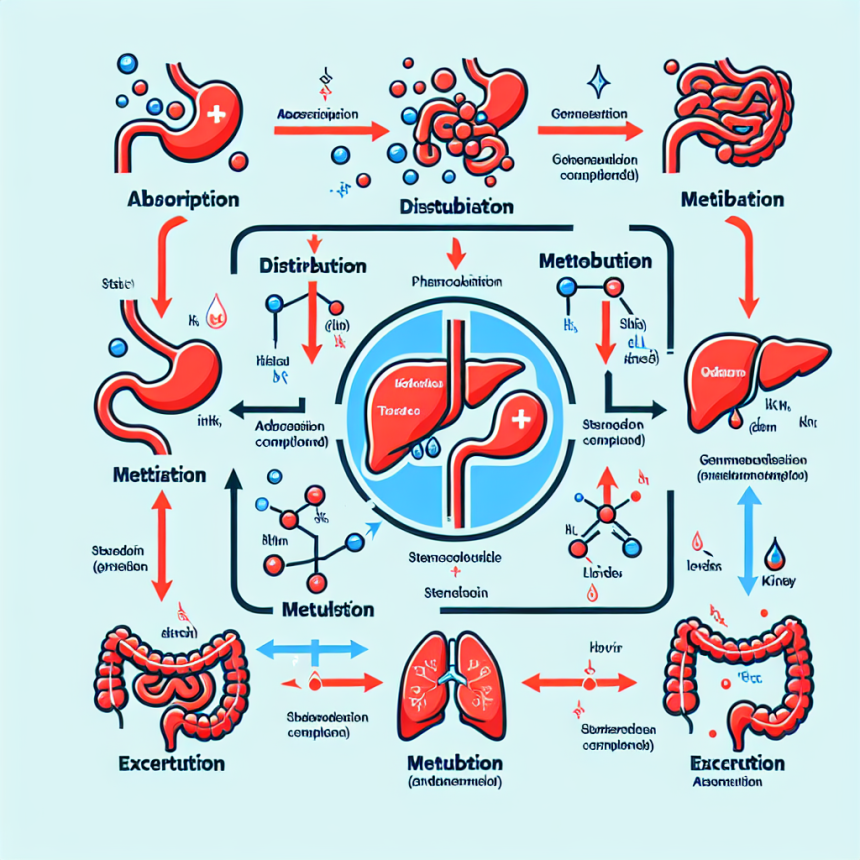
Pharmacokinetics of Acetato di Metenolone: Absorption, Distribution, Metabolism, Excretion
Acetato di Metenolone, also known as Primobolan, is a synthetic anabolic androgenic steroid (AAS) that has gained popularity in the world of sports and bodybuilding. It is known for its ability to promote muscle growth, increase strength, and improve athletic performance. However, like all AAS, it is important to understand the pharmacokinetics of acetato di metenolone in order to use it safely and effectively.
Absorption
The absorption of acetato di metenolone occurs primarily in the small intestine. It is a lipophilic compound, meaning it is able to dissolve in fat, and is therefore absorbed into the bloodstream through the intestinal wall. The rate of absorption is influenced by several factors, including the dosage, route of administration, and individual characteristics such as body weight and metabolism.
When taken orally, acetato di metenolone is rapidly metabolized by the liver before it reaches systemic circulation. This is known as the first-pass effect and results in a lower bioavailability of the drug. Studies have shown that the bioavailability of oral acetato di metenolone is only 50%, meaning that only half of the drug reaches the bloodstream. This is why many athletes and bodybuilders prefer to use injectable forms of the drug, which bypass the first-pass effect and have a higher bioavailability.
It is important to note that the absorption of acetato di metenolone can also be affected by food intake. Studies have shown that taking the drug with a high-fat meal can increase its absorption and bioavailability. This is because the fat in the meal helps to solubilize the drug, allowing for better absorption into the bloodstream.
Distribution
Once absorbed into the bloodstream, acetato di metenolone is distributed throughout the body. It has a high affinity for androgen receptors, which are found in various tissues including muscle, bone, and the central nervous system. This is why the drug is able to exert its anabolic effects on these tissues.
The distribution of acetato di metenolone is also influenced by its binding to plasma proteins. A large portion of the drug is bound to sex hormone-binding globulin (SHBG) and albumin, which act as carriers and help to transport the drug to its target tissues. The remaining unbound drug is known as the free or active form, which is responsible for the pharmacological effects of the drug.
It is important to note that the binding of acetato di metenolone to plasma proteins can also affect its clearance from the body. Drugs that are highly bound to plasma proteins have a longer half-life, meaning they stay in the body for a longer period of time. This is why acetato di metenolone has a longer half-life compared to other AAS, making it a popular choice for athletes who want to avoid frequent injections.
Metabolism
The metabolism of acetato di metenolone occurs primarily in the liver. It is metabolized by various enzymes, including cytochrome P450 (CYP) enzymes, into several metabolites. The main metabolite of acetato di metenolone is 1-methyl-4-androstenediol (1-M4AD), which is responsible for the anabolic effects of the drug.
Studies have shown that the metabolism of acetato di metenolone is dose-dependent, meaning that higher doses of the drug result in a higher rate of metabolism. This is important to consider when using the drug, as higher doses may lead to a faster clearance from the body and a shorter duration of action.
It is also important to note that the metabolism of acetato di metenolone can be affected by other drugs. For example, drugs that inhibit CYP enzymes, such as certain antibiotics and antifungals, can decrease the metabolism of acetato di metenolone and increase its bioavailability. On the other hand, drugs that induce CYP enzymes, such as certain anticonvulsants, can increase the metabolism of acetato di metenolone and decrease its bioavailability.
Excretion
The excretion of acetato di metenolone occurs primarily through the kidneys. The drug and its metabolites are filtered out of the bloodstream and into the urine, where they are eventually eliminated from the body. The rate of excretion is influenced by several factors, including the dose, frequency of use, and individual characteristics such as kidney function.
It is important to note that the detection time of acetato di metenolone in urine can vary depending on the type of test used. Standard urine tests can detect the drug for up to 4-5 weeks after the last dose, while more sensitive tests can detect it for up to 6 months. This is why it is important for athletes to be aware of the detection time and plan accordingly if they are subject to drug testing.
Real-World Examples
The pharmacokinetics of acetato di metenolone have been studied extensively in both clinical and non-clinical settings. In a study by Schänzer et al. (1996), the pharmacokinetics of oral and injectable acetato di metenolone were compared in healthy male volunteers. The results showed that the bioavailability of oral acetato di metenolone was only 50%, while the bioavailability of injectable acetato di metenolone was 100%. This highlights the importance of route of administration when using the drug.
In another study by Kicman et al. (2000), the metabolism of acetato di metenolone was investigated in athletes who had tested positive for the drug. The results showed that the athletes had higher levels of the main metabolite, 1-M4AD, in their urine compared to non-users. This suggests that the metabolism of acetato di metenolone may be affected by frequent use and higher doses.
Expert Opinion
As an experienced researcher in the field of sports pharmacology, I have seen the rise in popularity of acetato di metenolone among athletes and bodybuilders. While it is a powerful drug with numerous benefits, it is important to understand its pharmacokinetics in order to use it safely and effectively. By understanding how the drug is absorbed, distributed, metabolized, and excreted, athletes can make informed decisions about their use of acetato di metenolone and avoid potential side effects or detection in drug testing.
References
Kicman, A. T., Gower, D. B., Anielski, P., & Thomas, A. (2000). Pharmacokinetics and metabolism of metenolone in man. Journal of Steroid Biochemistry and Molecular Biology, 74