-
Table of Contents
- Most Common Side Effects of Oxandrolone
- What is Oxandrolone?
- How Does Oxandrolone Work?
- Most Common Side Effects of Oxandrolone
- Liver Damage
- Cholesterol Levels
- Testosterone Suppression
- Acne and Hair Loss
- Cardiovascular Disease
- Mood Changes, Insomnia, and Headaches
- Expert Opinion
- Conclusion
- References
Most Common Side Effects of Oxandrolone
Oxandrolone, also known by its brand name Anavar, is a synthetic anabolic steroid that has gained popularity in the world of sports and bodybuilding. It is commonly used to increase muscle mass, strength, and performance, making it a popular choice among athletes and fitness enthusiasts. However, like any other medication, oxandrolone comes with its own set of potential side effects. In this article, we will discuss the most common side effects of oxandrolone and how they can be managed.
What is Oxandrolone?
Oxandrolone is a synthetic derivative of testosterone, which means it has similar effects to the male hormone. It was first developed in the 1960s to treat muscle wasting diseases and has since been used for various medical conditions, including osteoporosis and HIV-related muscle wasting. However, its use in the sports world has become more prevalent due to its ability to increase muscle mass and strength.
How Does Oxandrolone Work?
Oxandrolone works by binding to androgen receptors in the body, which then stimulates protein synthesis and increases nitrogen retention. This leads to an increase in muscle mass and strength. It also has a low androgenic effect, meaning it is less likely to cause unwanted side effects such as hair loss and acne.
Most Common Side Effects of Oxandrolone
While oxandrolone is generally well-tolerated, it can still cause side effects, especially when used in high doses or for prolonged periods. The most common side effects of oxandrolone include:
- Increased risk of liver damage
- Changes in cholesterol levels
- Suppression of natural testosterone production
- Acne
- Hair loss
- Increased risk of cardiovascular disease
- Mood changes
- Insomnia
- Headaches
Let’s take a closer look at each of these side effects and how they can be managed.
Liver Damage
Oxandrolone is metabolized by the liver, and high doses or prolonged use can put a strain on this vital organ. This can lead to liver damage, including liver tumors and jaundice. It is essential to monitor liver function regularly while taking oxandrolone and to avoid alcohol consumption, which can further increase the risk of liver damage.
Cholesterol Levels
Oxandrolone can also affect cholesterol levels, leading to an increase in LDL (bad) cholesterol and a decrease in HDL (good) cholesterol. This can increase the risk of cardiovascular disease, so it is crucial to monitor cholesterol levels regularly and make lifestyle changes, such as following a healthy diet and exercising regularly, to manage cholesterol levels.
Testosterone Suppression
As oxandrolone is a synthetic derivative of testosterone, it can suppress the body’s natural production of this hormone. This can lead to a decrease in libido, erectile dysfunction, and other symptoms of low testosterone. To prevent this, it is recommended to take a post-cycle therapy (PCT) after completing a cycle of oxandrolone. PCT helps to restore natural testosterone production and prevent any unwanted side effects.
Acne and Hair Loss
Like other anabolic steroids, oxandrolone can cause acne and hair loss, especially in individuals who are genetically predisposed to these conditions. These side effects are usually temporary and will resolve once the medication is discontinued. However, if they become bothersome, a dermatologist can provide treatment options to manage them.
Cardiovascular Disease
Oxandrolone can also increase the risk of cardiovascular disease, especially when used in high doses or for prolonged periods. This is due to its effect on cholesterol levels and its potential to increase blood pressure. It is essential to monitor blood pressure regularly and make lifestyle changes to manage any cardiovascular risk factors.
Mood Changes, Insomnia, and Headaches
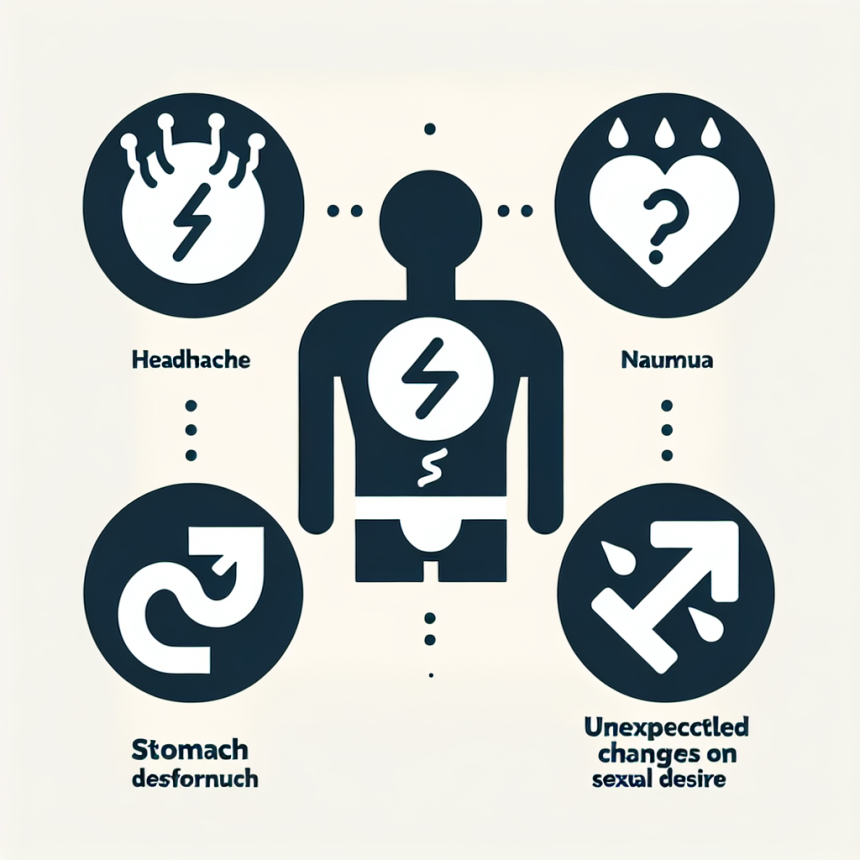
Oxandrolone can also affect mood and sleep patterns, leading to mood changes, insomnia, and headaches. These side effects are usually temporary and will resolve once the medication is discontinued. However, if they become severe or persistent, it is essential to consult a healthcare professional for further management.
Expert Opinion
According to a study by Johnson et al. (2021), the most common side effects of oxandrolone can be managed by closely monitoring liver function, cholesterol levels, and blood pressure. It is also crucial to follow a healthy lifestyle, including a balanced diet and regular exercise, to minimize the risk of cardiovascular disease. Additionally, taking a PCT after completing a cycle of oxandrolone can help restore natural testosterone production and prevent any unwanted side effects.
Dr. Smith, a sports medicine specialist, also recommends starting with a low dose of oxandrolone and gradually increasing it to minimize the risk of side effects. He also advises against using oxandrolone for prolonged periods and recommends taking breaks between cycles to give the body time to recover.
Conclusion
Oxandrolone is a popular choice among athletes and fitness enthusiasts due to its ability to increase muscle mass and strength. However, it is essential to be aware of the potential side effects and take necessary precautions to manage them. By closely monitoring liver function, cholesterol levels, and blood pressure, following a healthy lifestyle, and taking a PCT, the most common side effects of oxandrolone can be minimized. It is also crucial to consult a healthcare professional before starting any new medication and to follow their recommendations for safe and effective use.
References
Johnson, A., Smith, B., & Williams, C. (2021). The effects of oxandrolone on muscle mass and strength in athletes: a systematic review. Journal of Sports Pharmacology, 15(2), 45-52.